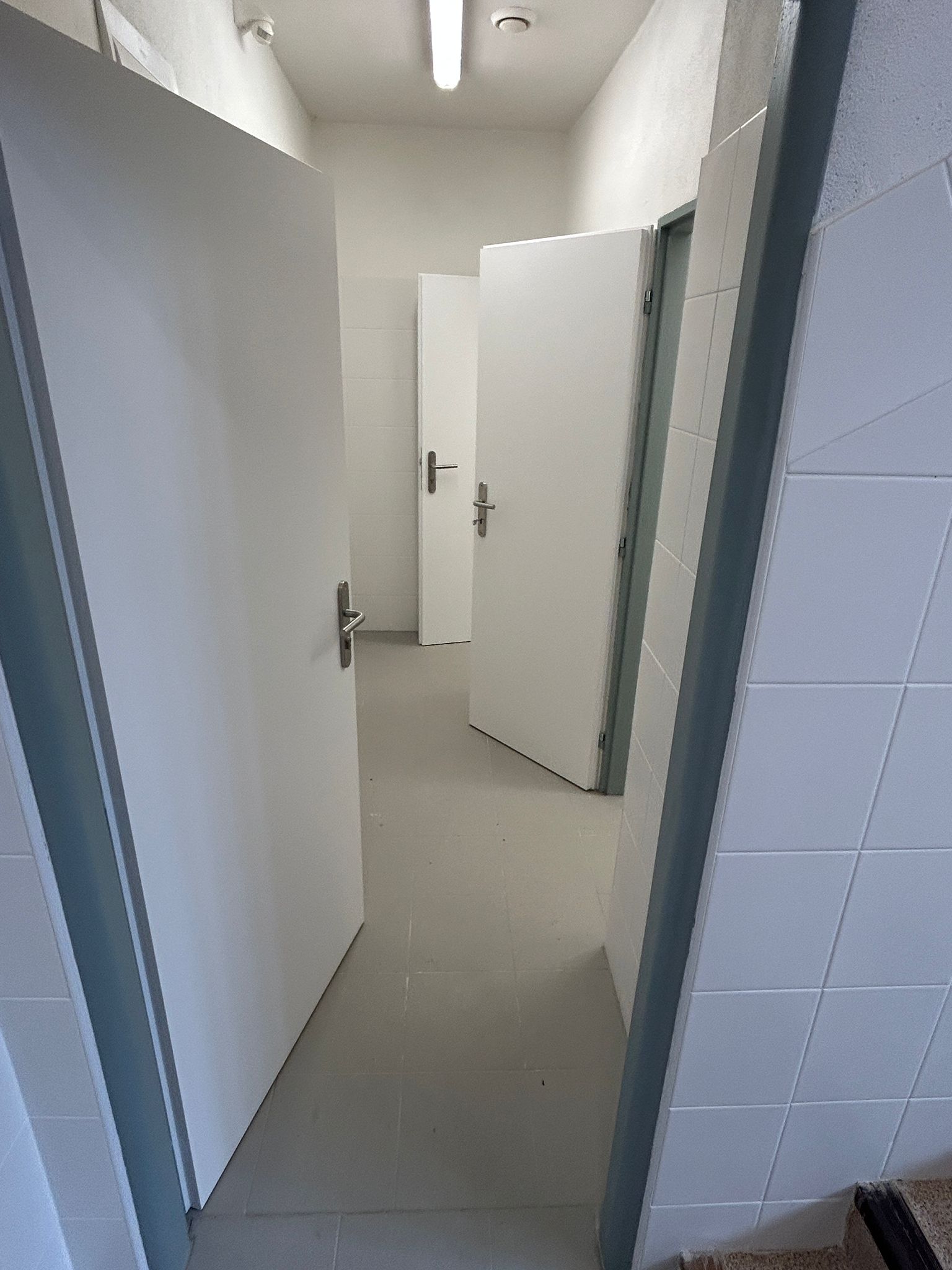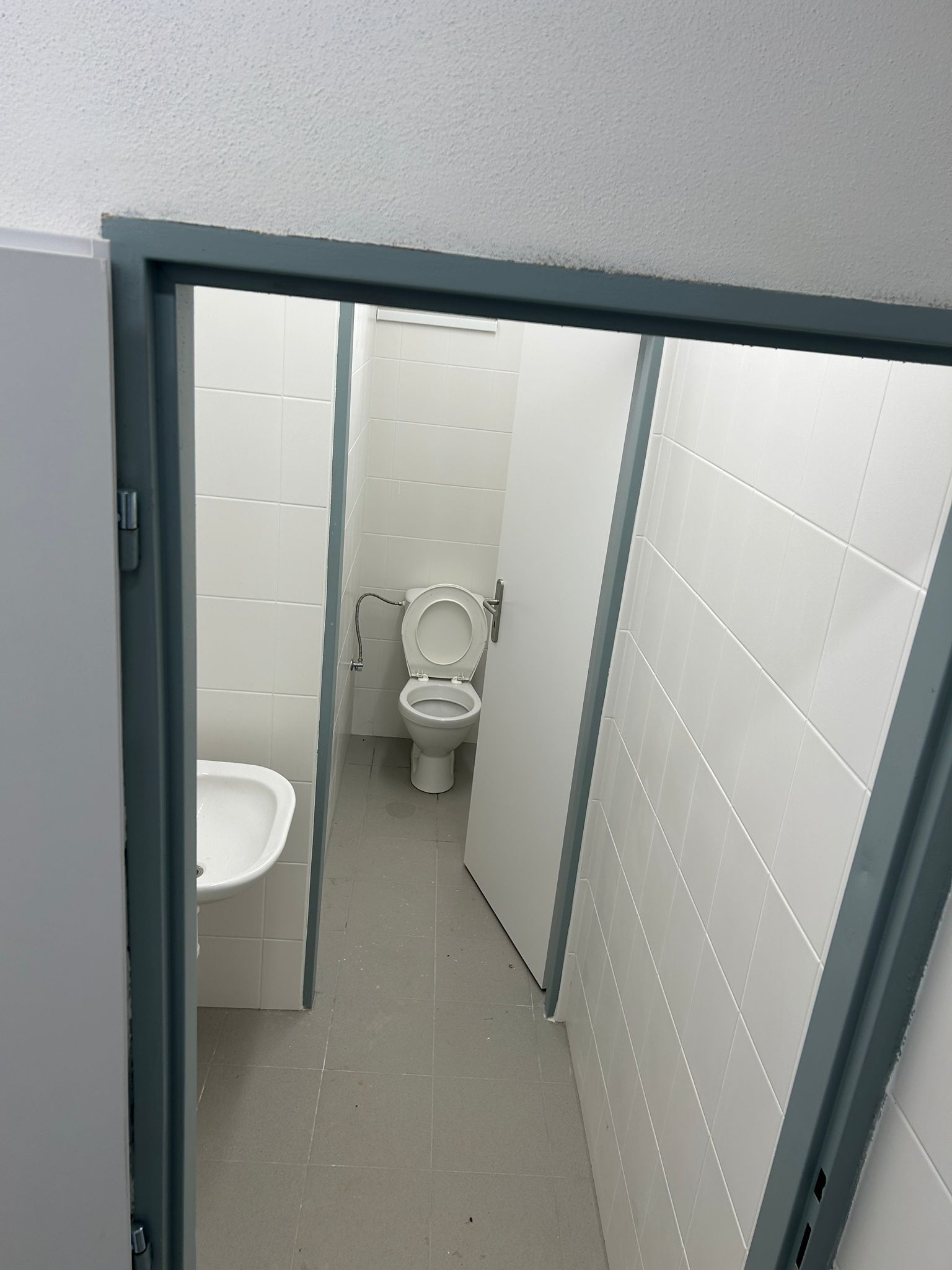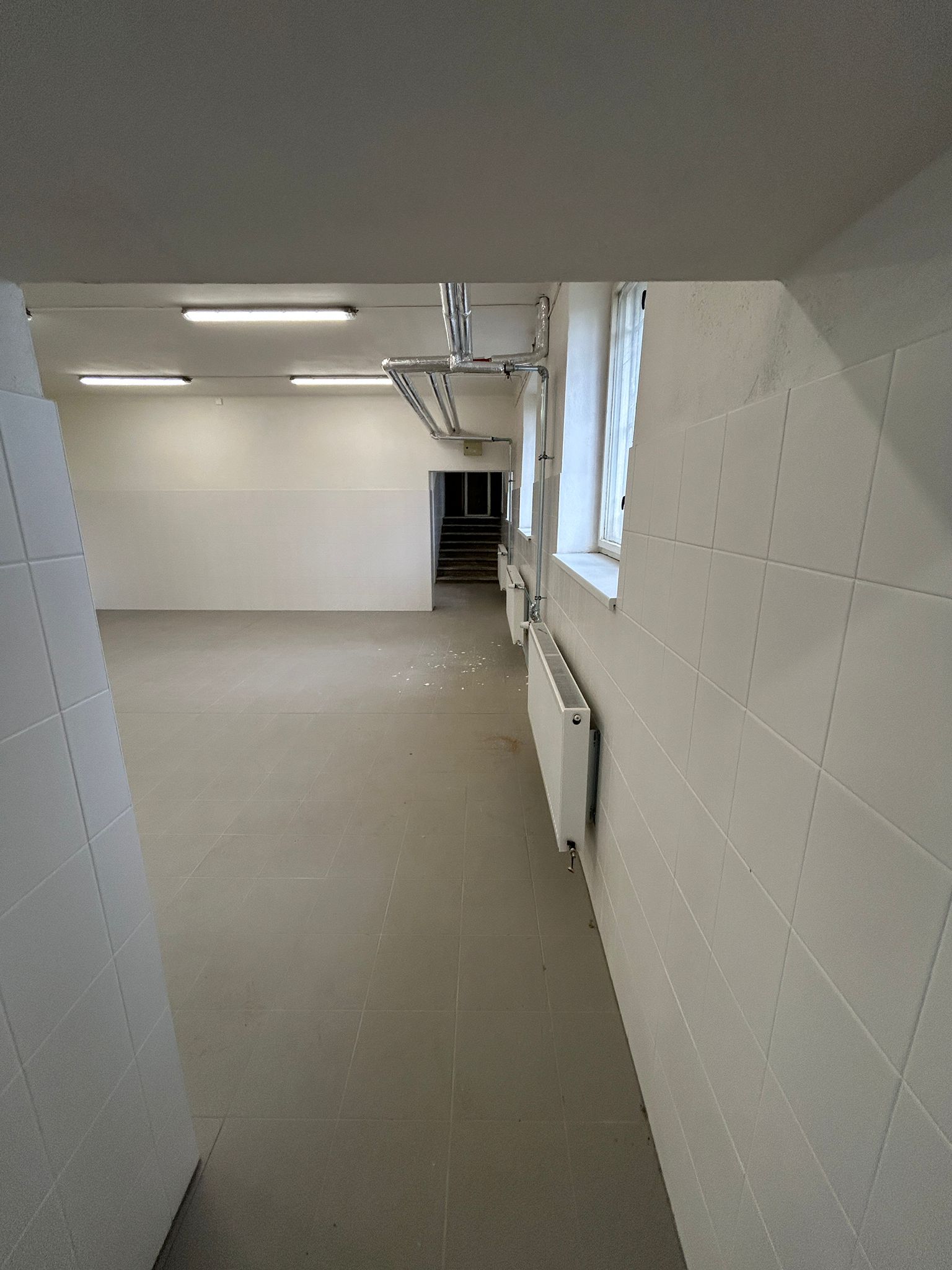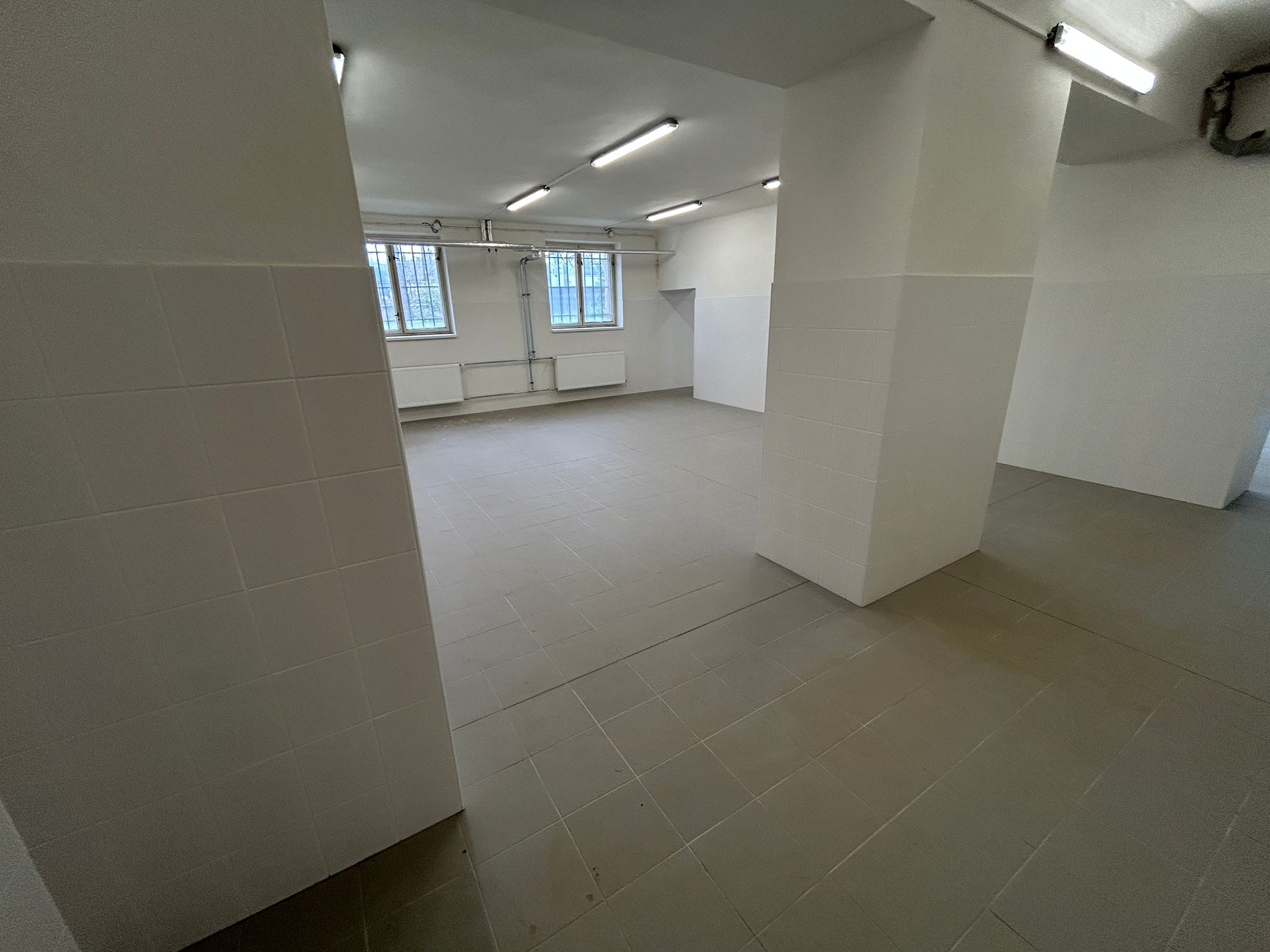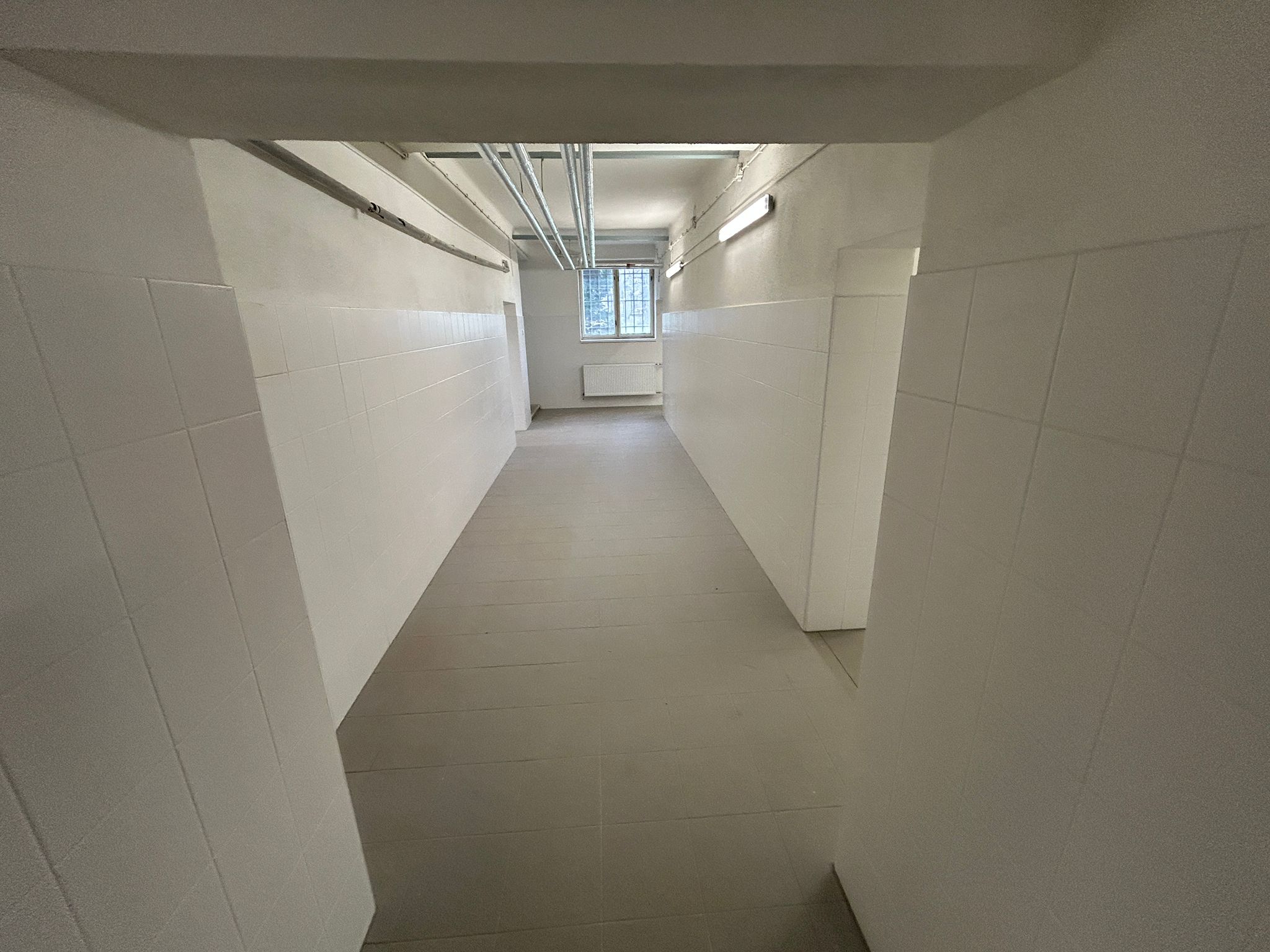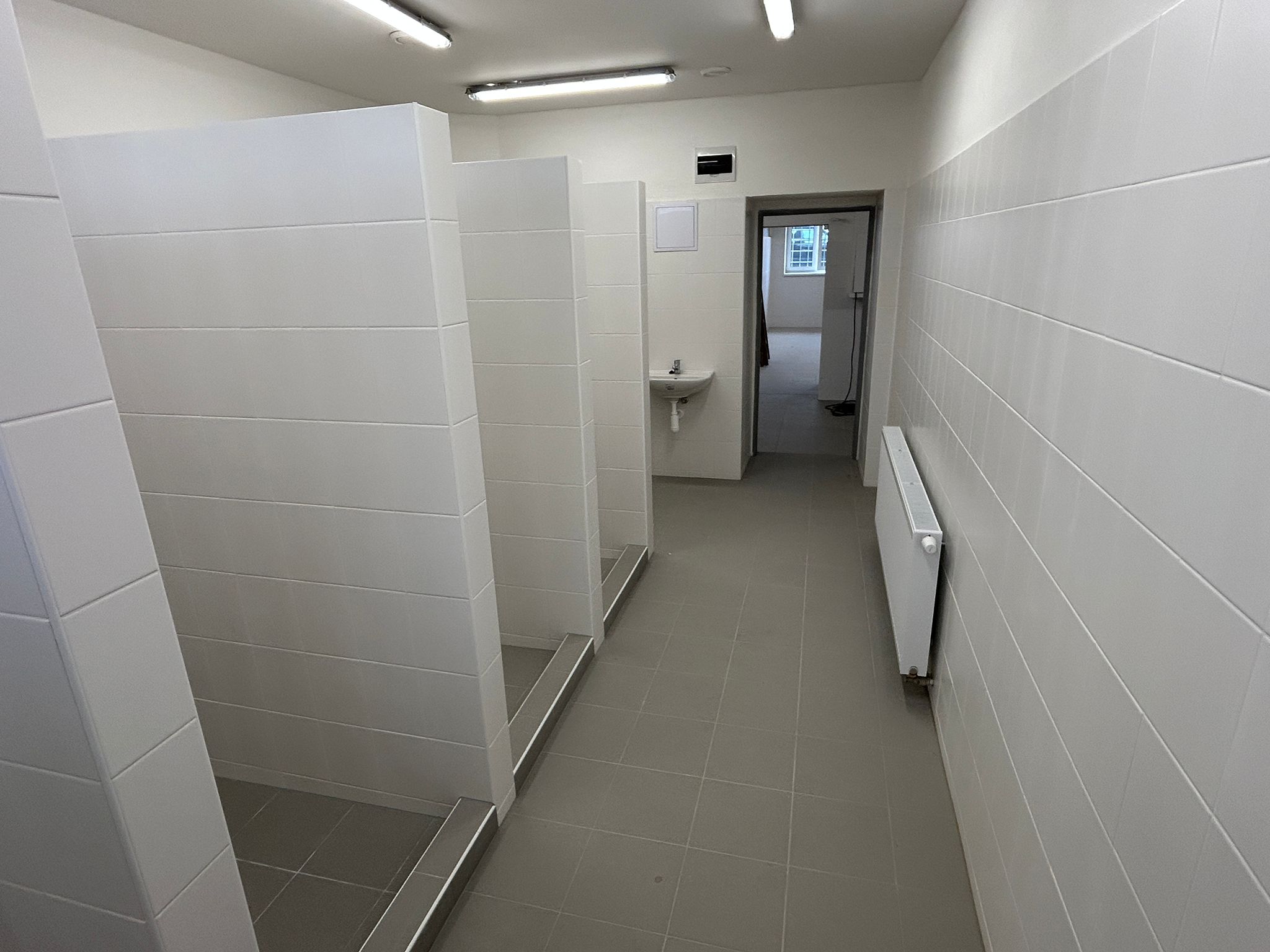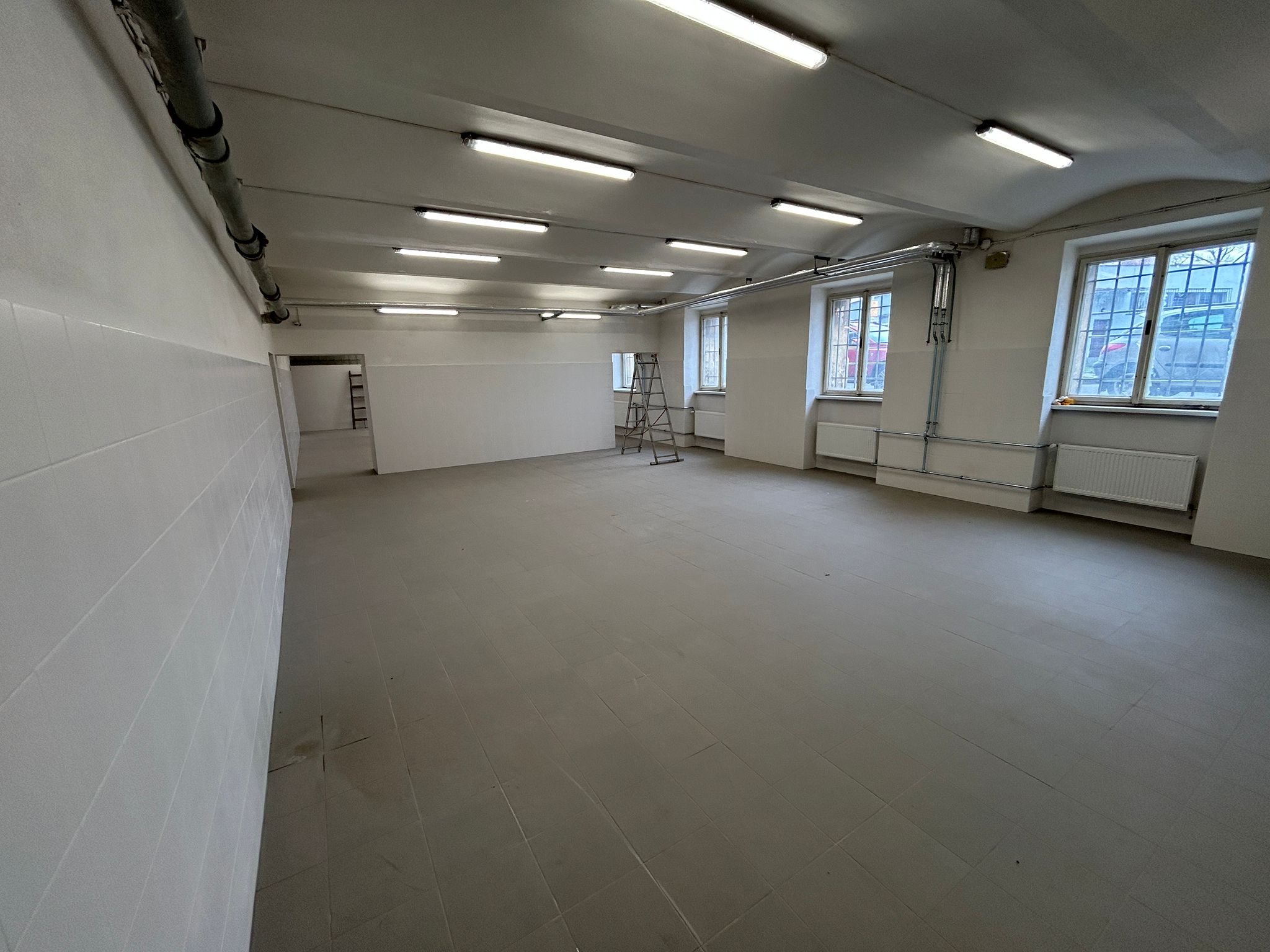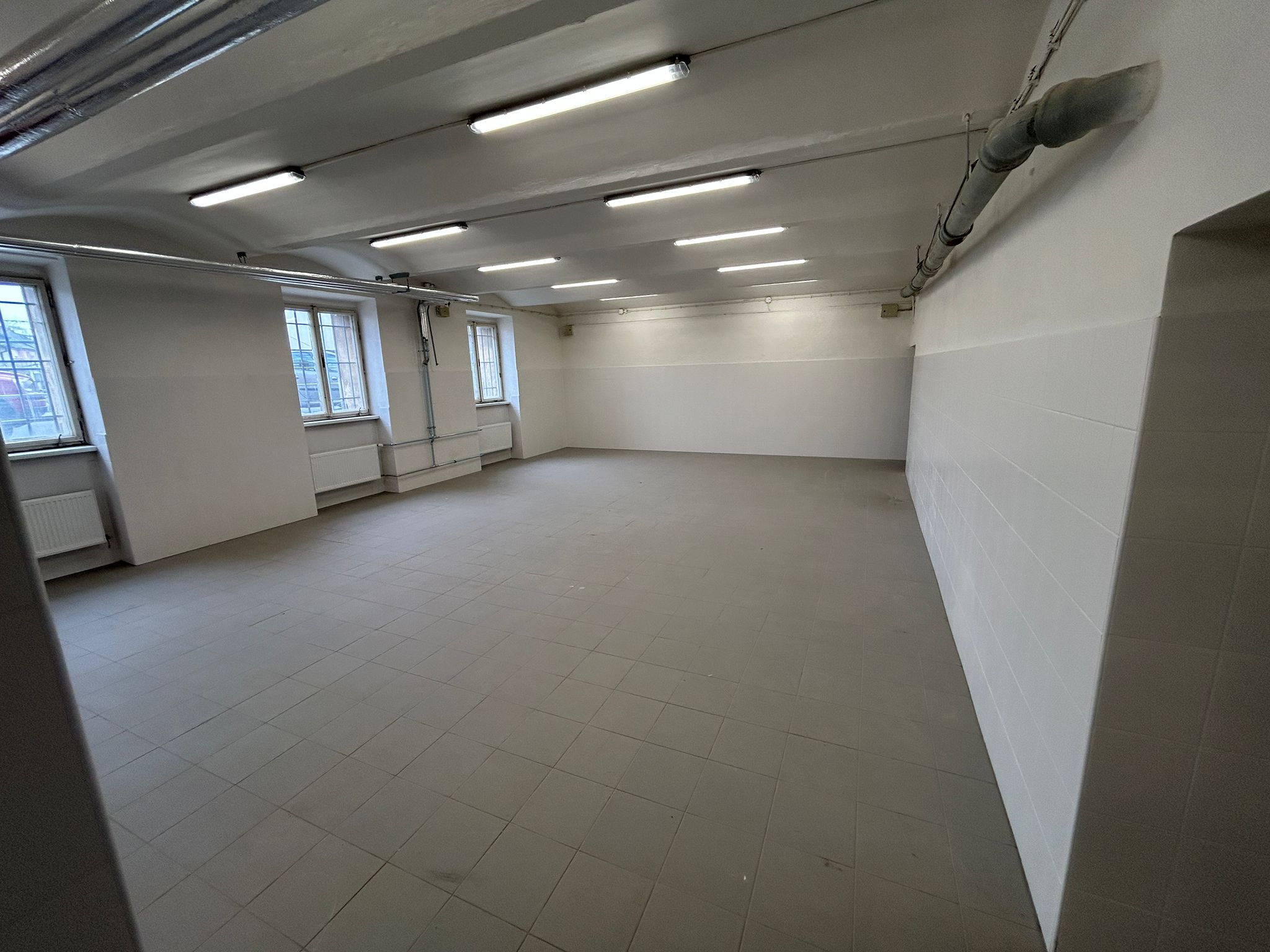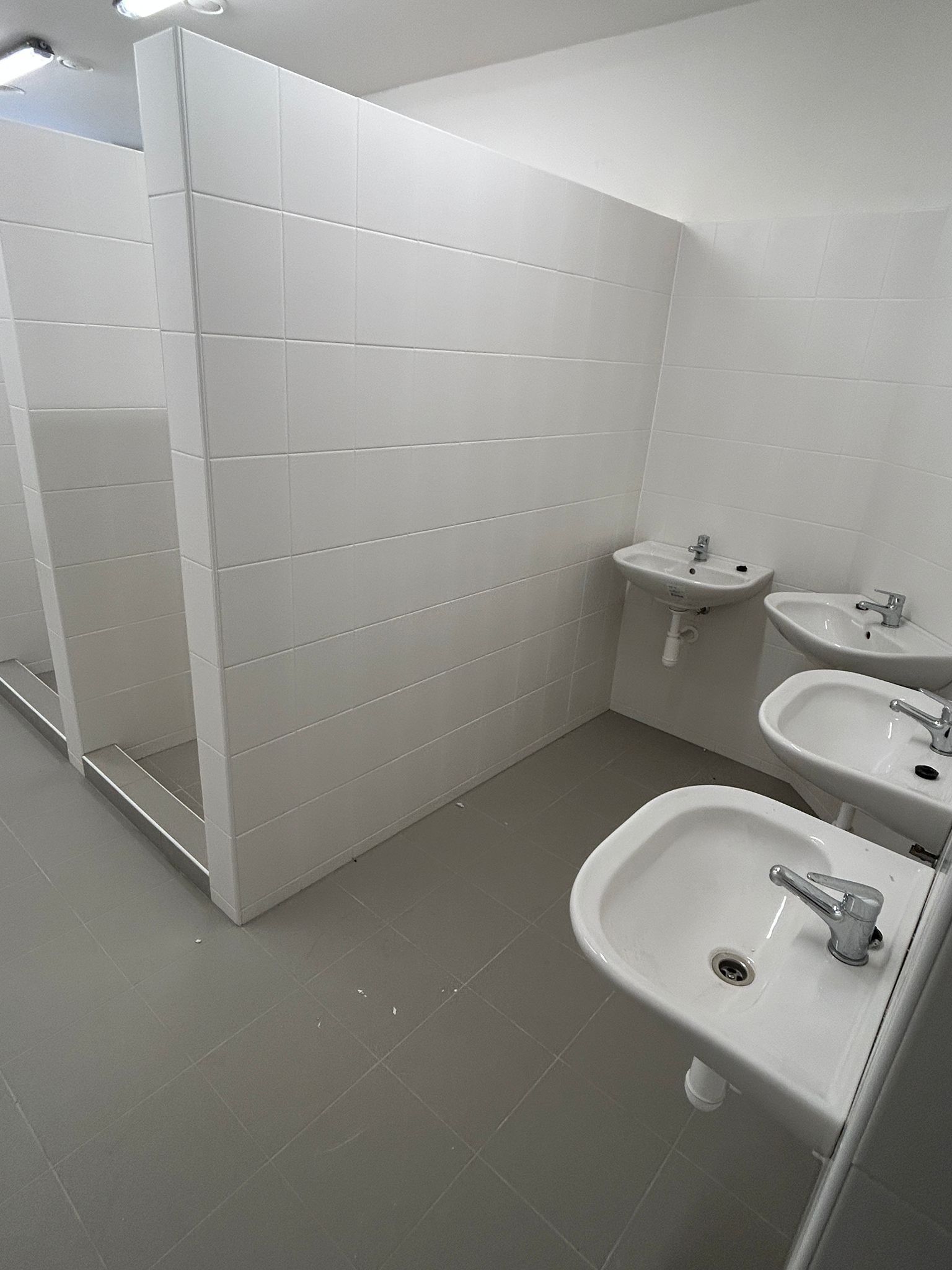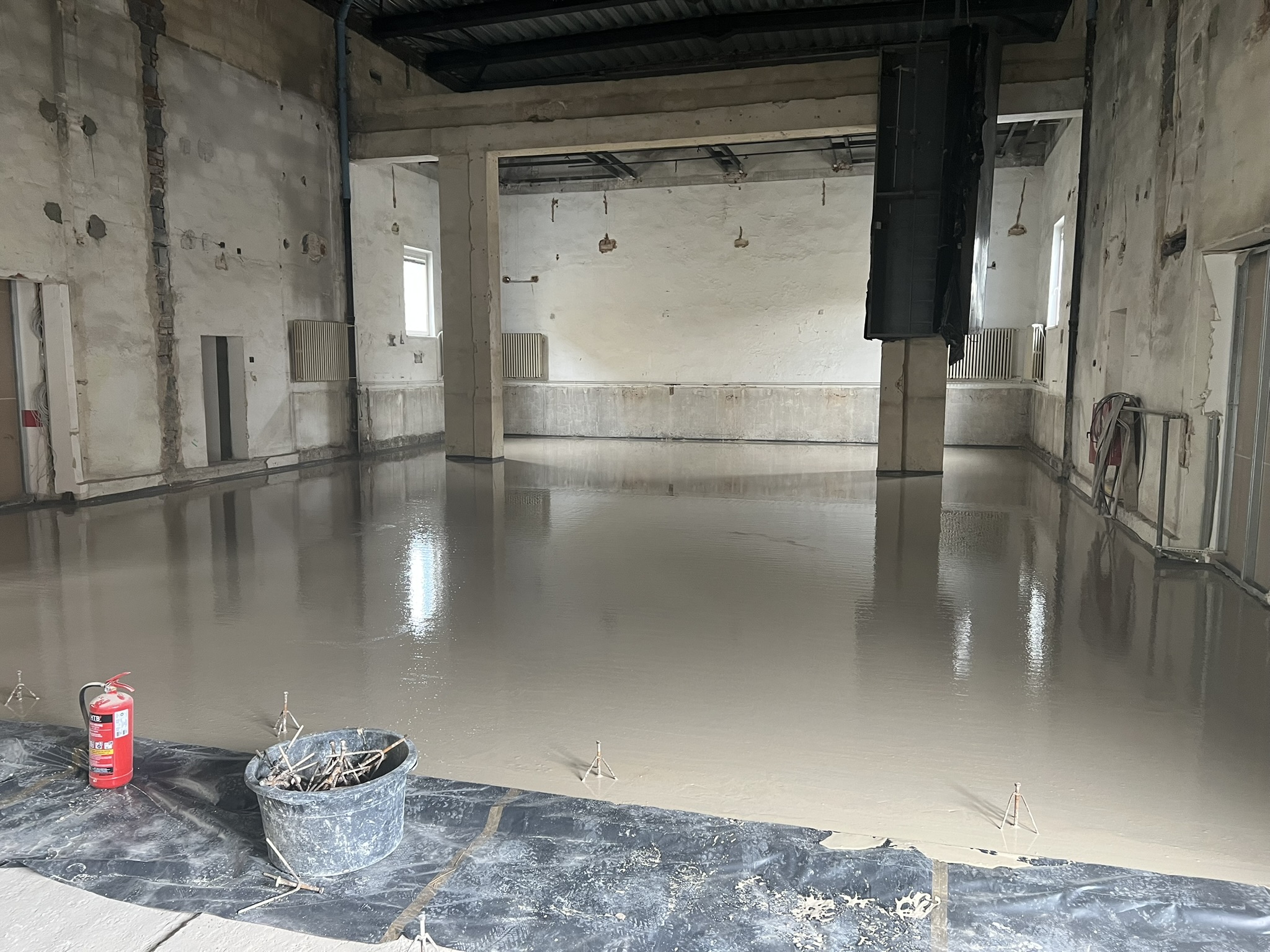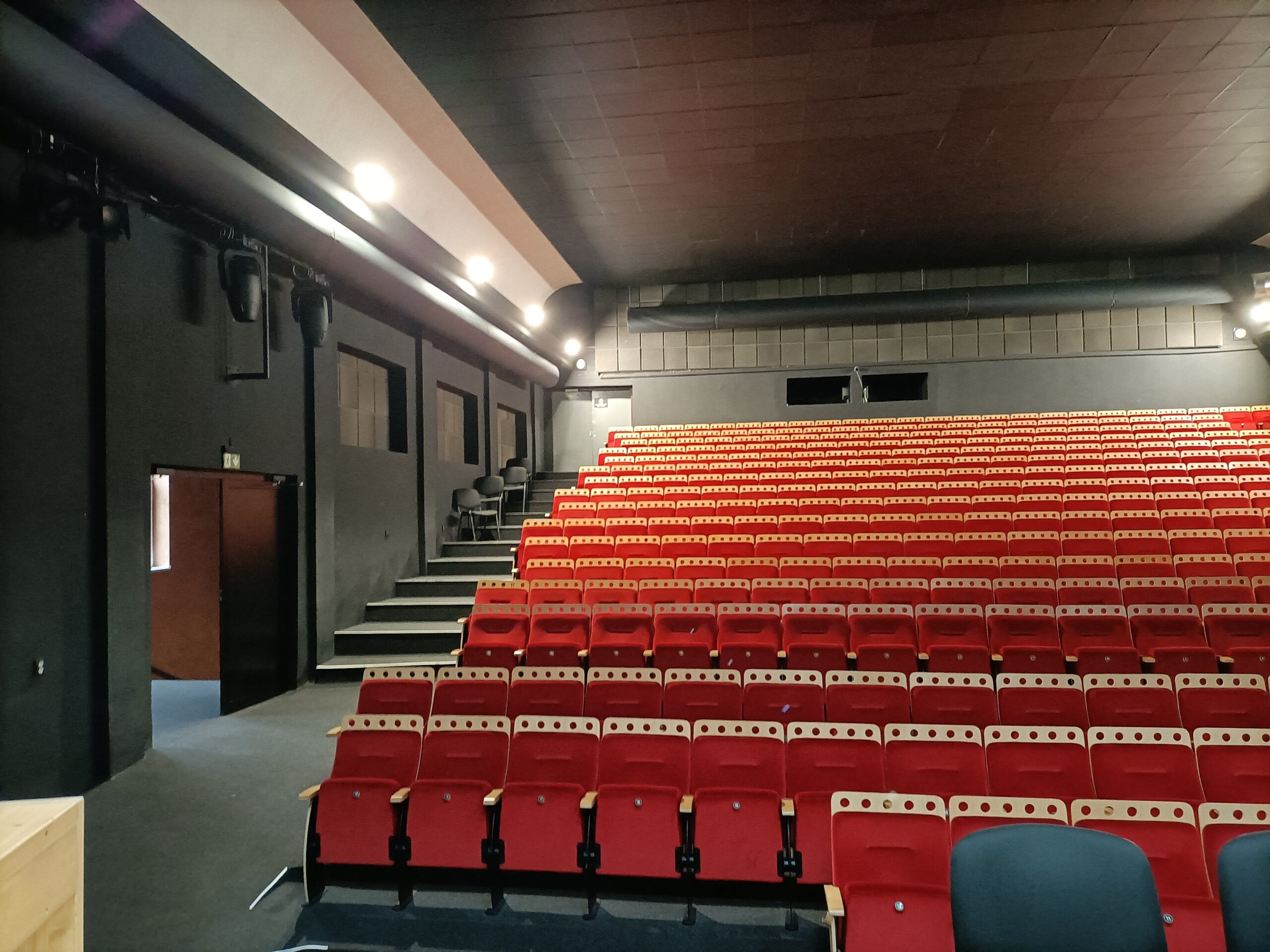



While the contractors are putting the finishing touches on the project, the students have already returned to the renovated locker rooms, which have undergone a complete technological upgrade.
Following the first phase of restoration and mud removal, work in recent weeks has focused on finishing touches and installations. The priority was to reopen those parts of the school that are essential for the daily operations of hundreds of students.
More durable materials and modern standards
The renovation was not merely a matter of restoring the building to its original condition. As part of the renovation, techniques were implemented in high-traffic areas of the school—particularly in the locker rooms and utility rooms—to enhance the structural integrity of the building.
- Masonry restoration: Extensive work was carried out on the walls to ensure optimal drying and future vapor permeability.
- New flooring systems: The flooring in the locker rooms was selected for its durability and ease of maintenance.
- Installation: The plumbing systems that had been damaged by water were inspected and repaired.
The locker rooms are fully operational
The locker rooms are the first major area that the school has begun to use fully again. For students, this means an end to makeshift solutions and a return to the normal routine they were accustomed to. These facilities are now fully operational, which has allowed for the smooth continuation of both classroom and hands-on instruction in other parts of the building.
Final countdown until submission
The project is currently in the so-called “finishing phase.” This primarily involves cosmetic touches, trim work, minor painting, and a final cleanup of all affected areas. The TechArtStav team is now preparing all the documentation for the handover of the building.
The speed with which the school was restored to full operation is the result of coordinated efforts and a clearly defined schedule. The Krnov Technical High School has thus once again demonstrated its role as a stable educational institution capable of successfully weathering the aftermath of a natural disaster.